
Blog
The Science of SoftWave: How Acoustic Waves Activate Your Body's Own Stem Cells
What If Your Body Already Had the Tools to Heal, and Just Needed a Signal to Start Working?
Cedar Park residents dealing with nagging joint pain, stubborn tendon injuries, or slow-healing soft tissue often assume their options are limited to rest, medication, or eventually surgery. But there is another path worth understanding, one rooted in how the body naturally repairs itself. At Cedar Park Chiropractic, Dr. Jeff Swanson offers SoftWave Tissue Regeneration Therapy (TRT), a technology designed to stimulate the body's own regenerative processes rather than mask symptoms. To understand why patients across Cedar Park are curious about it, it helps to look at the actual science behind how the waves work.
The Technology Behind the Wave
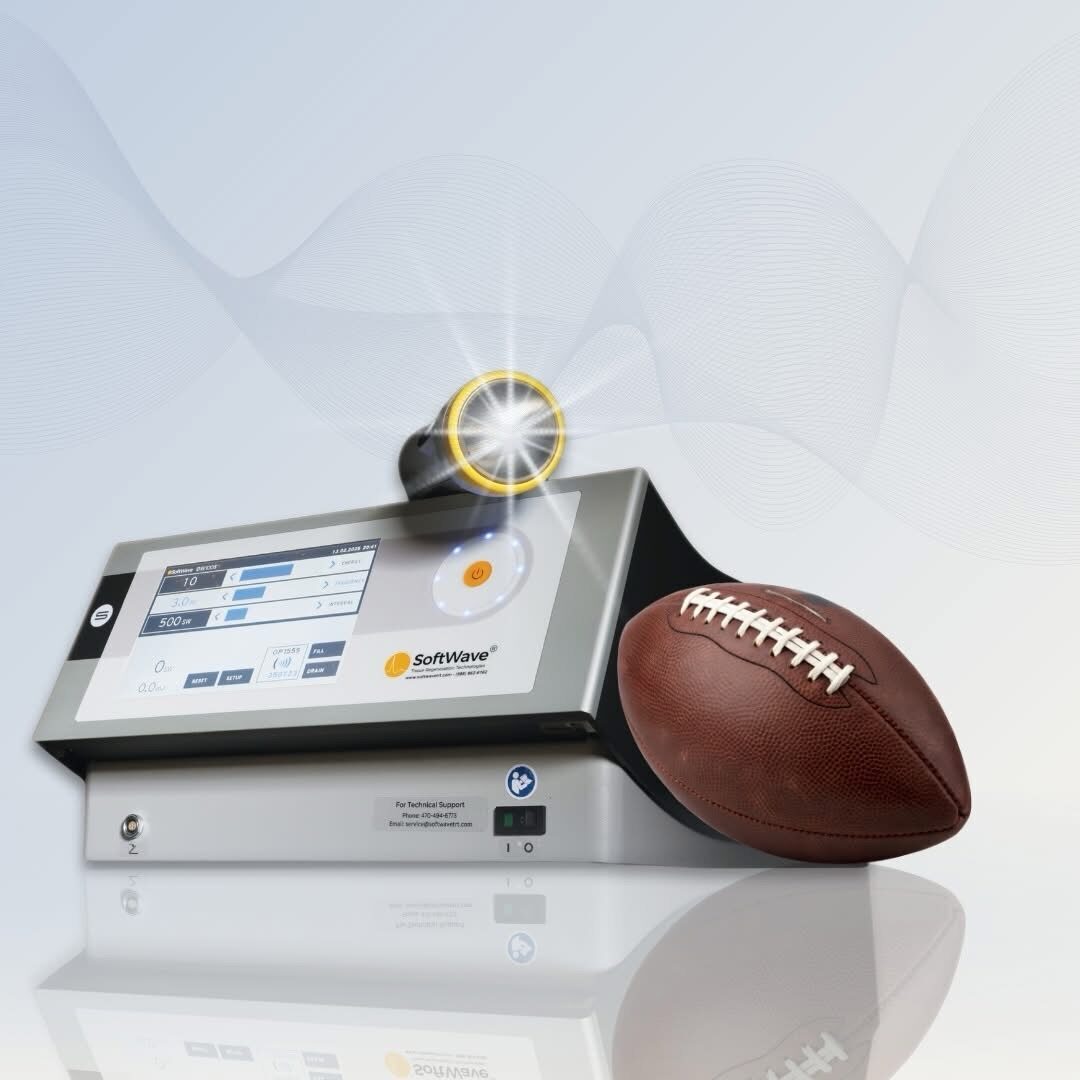
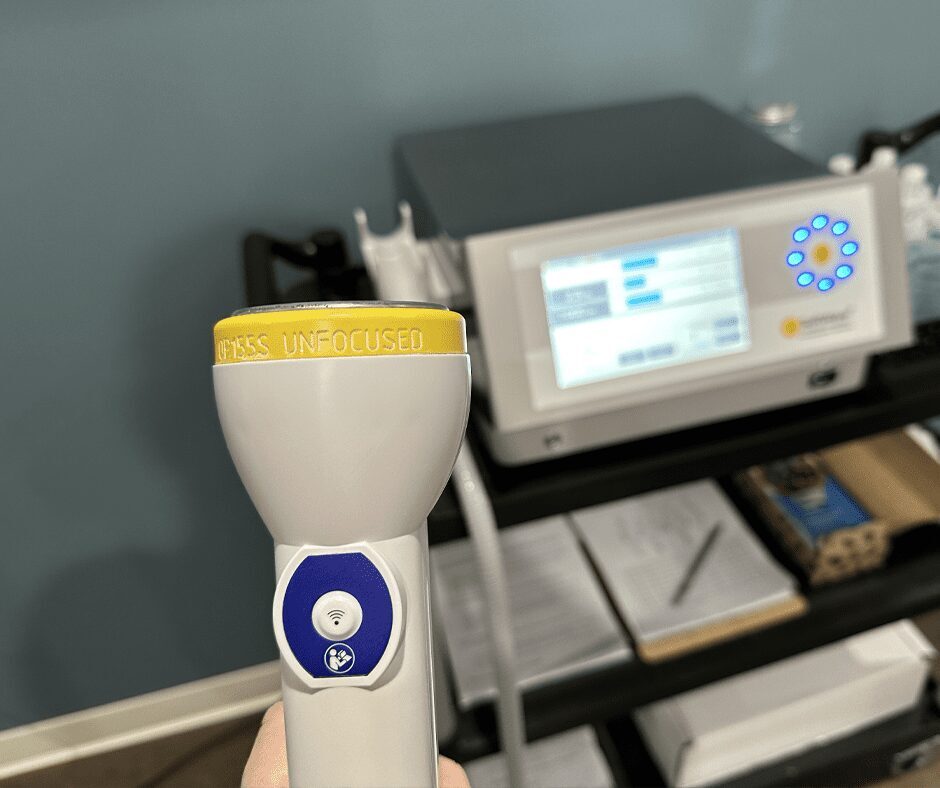
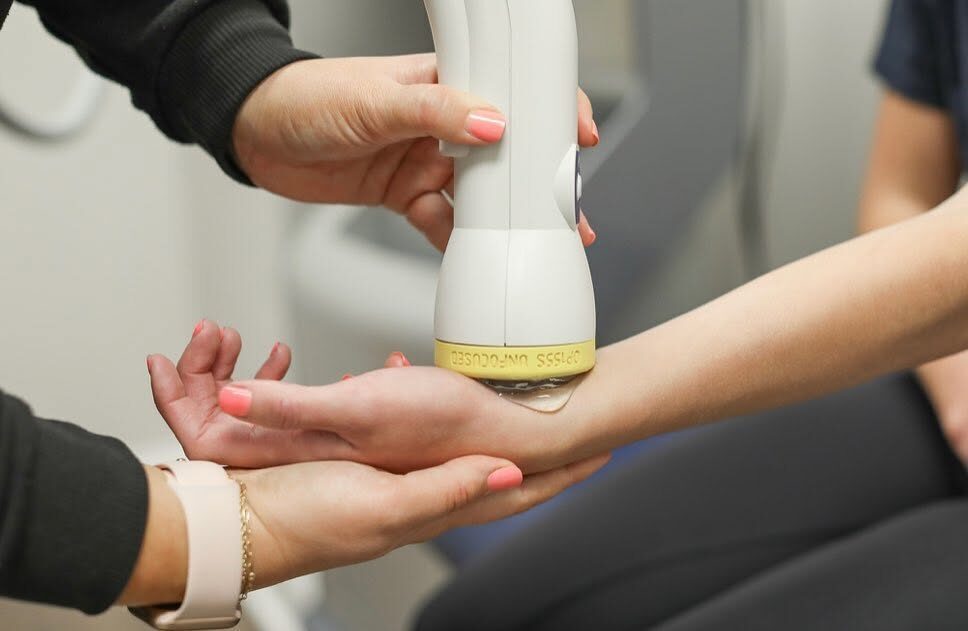
SoftWave TRT uses electrohydraulic, spark-generated acoustic waves delivered through a patented parabolic reflector. That design matters more than it might sound. Most acoustic and shockwave devices on the market, including radial, electromagnetic, and piezoelectric focused systems, concentrate their energy at a single narrow point beneath the applicator. SoftWave instead produces a broad, unfocused wave that spreads out and penetrates wide and deep into the treatment area. This is often described as the only broad-focused shockwave technology available, and it is a meaningful distinction because it allows a single session to reach more of the surrounding tissue rather than one isolated spot.
In practical terms, that broad coverage is part of why sessions can be efficient, generally running about 10 to 20 minutes, while still addressing the full region involved in an injury or area of chronic discomfort, not just the epicenter of pain.
Mechanotransduction: Turning a Physical Wave Into a Biological Signal
The science of SoftWave centers on a process called mechanotransduction. In plain language, this is the way cells convert a mechanical force, in this case the pressure wave, into a biochemical response. When the acoustic wave passes through tissue, it creates a mechanical stimulus that cells can sense. Rather than damaging tissue, this stimulus is understood to prompt cells to behave differently, essentially waking up dormant repair processes that the body already possesses but is not actively using in that area.
This is the key idea behind SoftWave: it is not adding anything foreign to the body. It is designed to encourage the body's own resident stem cells, the ones already present in local tissue, to activate and migrate toward the area that needs repair.
How SoftWave Helps the Body's Healing Cascade
Once mechanotransduction begins, several biological processes are believed to follow in sequence. Understanding each one in simple terms helps explain why SoftWave is used for such a wide range of musculoskeletal concerns.
- Stem cell activation and migration: The mechanical signal is thought to prompt resident stem cells in the treated tissue to activate and move toward the site of injury or degeneration, where repair is needed most.
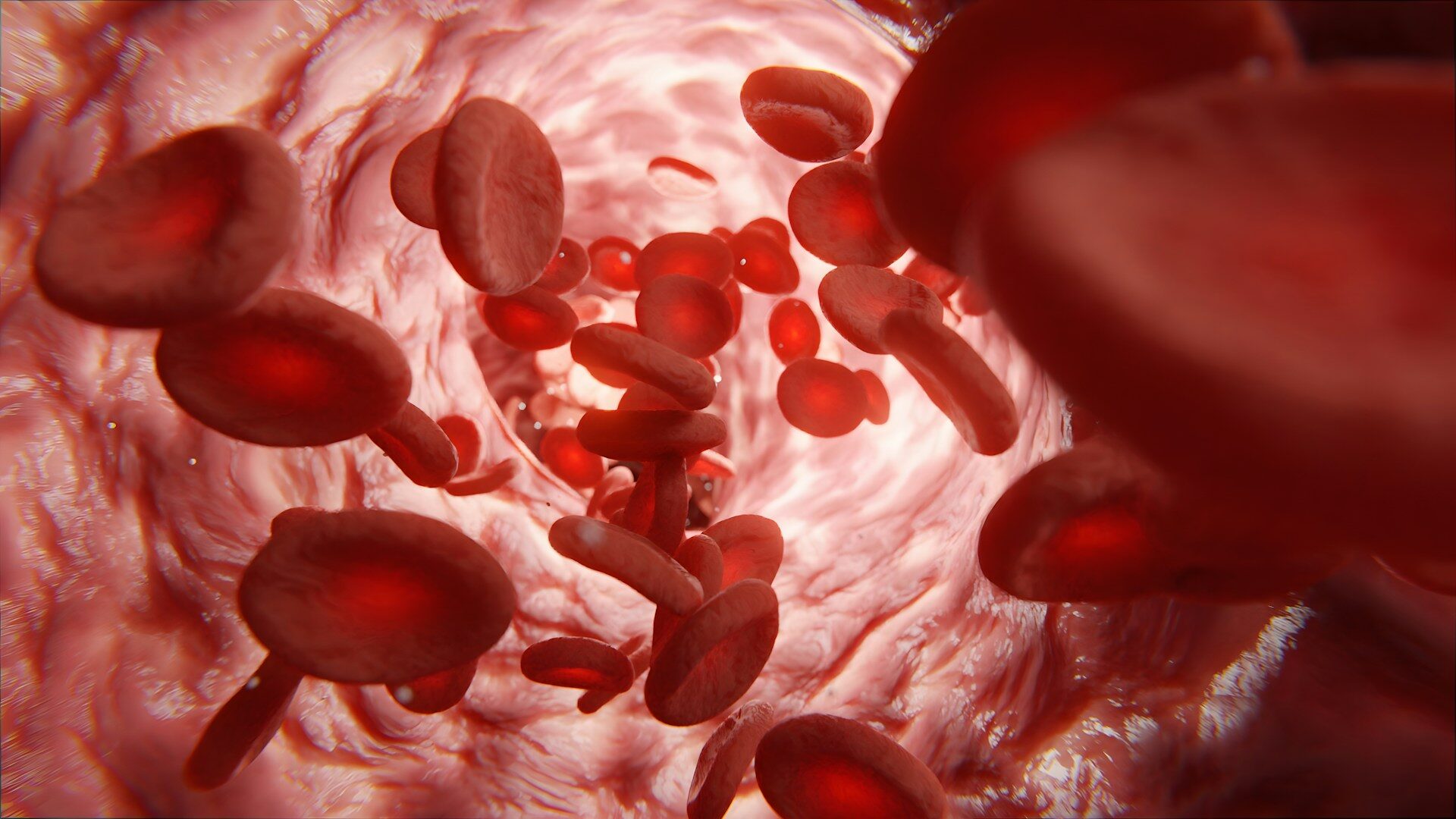
- Angiogenesis (new blood vessel formation): SoftWave is associated with increased activity of VEGF (vascular endothelial growth factor) and eNOS (endothelial nitric oxide synthase), two markers connected to the formation of new blood vessels. More blood flow to an area means more oxygen and nutrients available to support repair.
- Cell proliferation and collagen support: Markers such as PCNA (proliferating cell nuclear antigen) and BMP (bone morphogenetic protein) are linked to cell division and collagen production, both of which are central to rebuilding healthy connective tissue, tendons, and ligaments.
- Inflammation modulation: Rather than simply suppressing inflammation, the therapy is thought to help regulate the inflammatory response so it supports healing instead of stalling it.
- Toll-like receptor regulation: Toll-like receptors play a role in how cells recognize signals and coordinate immune and repair activity; SoftWave is understood to influence this regulation as part of the broader healing cascade.
- Clearance of senescent cells: Senescent cells are older cells that have stopped dividing and can accumulate in damaged tissue, potentially slowing repair. SoftWave is associated with helping clear these cells, which may support a cleaner path for regeneration.
Together, these processes describe a coordinated biological response, not a single isolated effect. That is part of why SoftWave is designed to address the underlying condition of tissue rather than simply providing temporary relief.
What This Means for Cedar Park Patients
For someone in Cedar Park living with chronic joint pain, a nagging tendon issue, or a soft tissue injury that has not responded to rest, this mechanism helps explain why SoftWave is considered a different approach. It is non-invasive, involving no needles, no drugs, and no surgery, and there is no downtime after a session. Most patients complete a series of sessions over roughly 6 to 8 weeks, and because the therapy is designed to trigger a biological cascade rather than provide an instant fix, healing is understood to continue for weeks or even months after the final session.
FDA-Cleared Applications
SoftWave technology carries FDA clearance for several specific uses: activation of connective tissue, temporary increase in local blood flow, temporary relief of minor muscle and joint pain, treatment of chronic diabetic foot ulcers, and treatment of acute second-degree burns. These clearances reflect the depth of research and clinical use behind the technology. SoftWave is backed by roughly two decades of clinical application, a substantial body of peer-reviewed research exceeding 240 studies, and more than 40 patents. It is studied at leading academic institutions and used by clinicians who work with professional and collegiate athletes, a strong indicator of the trust placed in the technology by people who need reliable, evidence-based recovery support.
It is worth noting that many other acoustic wave devices on the market, including competitors like StemWave, are only FDA-registered rather than FDA-cleared for these specific therapeutic uses. That distinction matters when evaluating the depth of evidence and regulatory scrutiny behind a given technology.
Setting Realistic Expectations
SoftWave is not a guaranteed cure, and it is not a replacement for medical advice or diagnosis. Every patient's tissue, injury history, and response to therapy are different. What SoftWave offers is a scientifically grounded mechanism designed to support the body's own capacity to heal. Many patients report meaningful improvement in comfort and mobility over the course of treatment, and Dr. Swanson and the team at Cedar Park Chiropractic will walk you through what to realistically expect based on your specific situation during a consultation.
If you have been curious about how SoftWave actually works beneath the surface, now is a good time to find out whether it fits your recovery goals. Schedule a visit with Cedar Park Chiropractic to discuss your history and see if SoftWave TRT is right for you.
Insurance, Cost, and Getting Started
SoftWave therapy is not typically covered by insurance, but HSA and FSA funds can be used toward treatment, making it more accessible for many Cedar Park families. New patients can take advantage of a New Patient Special priced at $79, which includes a comprehensive consultation, an introductory SoftWave session, and a customized care plan built around your specific needs. This gives you a low-pressure way to experience the technology firsthand and ask questions directly before committing to a full series.
Ready to Take the Next Step?
Understanding the science behind SoftWave is the first step toward deciding if it is right for you, and the next step is simply having a conversation with the team who can evaluate your specific needs. There is no obligation to start with a consultation, only information to help you make a confident decision.
Request your SoftWave Therapy new patient visit online today
Contact Cedar Park Chiropractic
Cedar Park Chiropractic
345 Cypress Creek Rd, Suite 103
Cedar Park, TX 78613
Phone: 512-335-0641
Our Main Office Website: https://cedarparkchiro.com/
‹ Back

 345 Cypress Creek Rd,