
Blog
SoftWave vs. Laser, Ultrasound, and TENS: A Patient's Guide to Pain-Relief Technologies

SoftWave vs. Laser, Ultrasound, and TENS: Comparing Your Pain Relief Options in Cedar Park
If you have spent any time in a physical therapy office or chiropractic clinic around Cedar Park, you have probably seen a handful of familiar machines: a small wand humming with ultrasound gel, a set of sticky electrode pads buzzing with electrical current, or a handheld laser device passed slowly over sore tissue. Patients often ask the same question after trying one or more of these tools: "Which one actually works, and how is SoftWave therapy different from what I have already tried?" It is a fair question, and one worth answering honestly rather than with marketing hype.
Cedar Park Chiropractic, led by Dr. Jeff Swanson, offers several of these modalities to local patients dealing with everything from stiff shoulders to chronic joint discomfort. Rather than treating them as competitors, this guide lines SoftWave TRT up against each one, side by side, so you can see exactly how the technology, the treatment goal, and the expected outcome differ. None of these tools are gimmicks. Each has a real, documented role in conservative care. The question is not which one is "best" in the abstract, but which one is doing what for your specific situation.
SoftWave vs. Laser Therapy
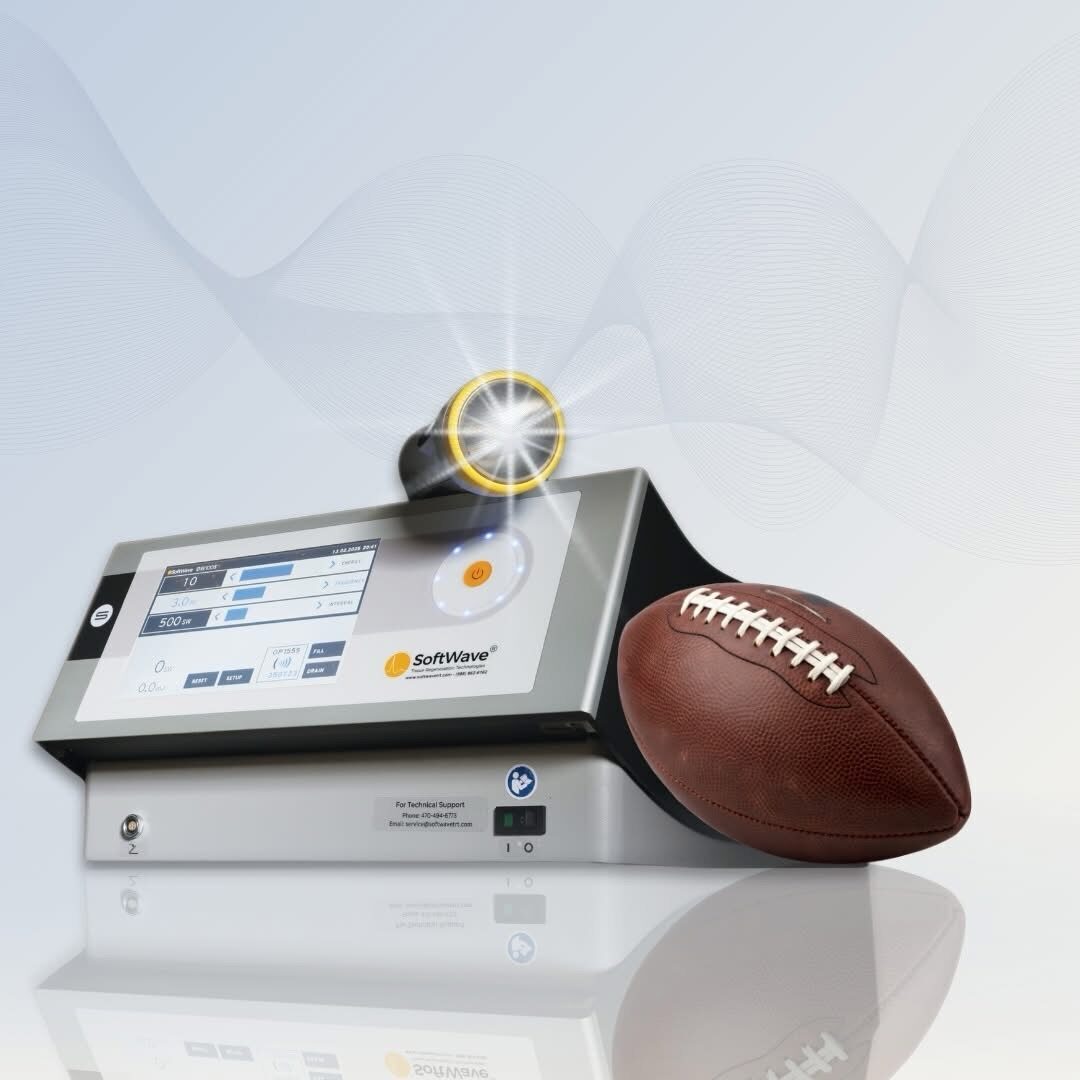
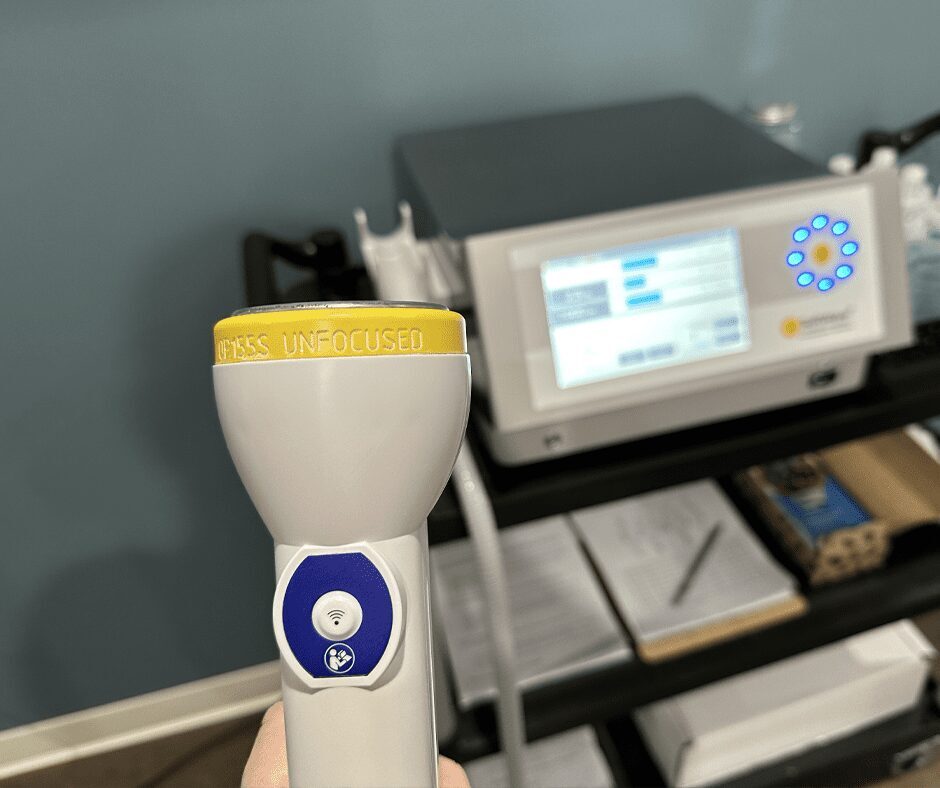
- SoftWave TRT: Uses electrohydraulic, spark-generated acoustic waves delivered through a patented parabolic reflector, penetrating deep into tissue to stimulate cellular repair and regeneration.
- Low-Level Laser Therapy: Uses specific wavelengths of light absorbed by cells near the surface, generally applied to calm inflammation and support healing in a small, well-defined area such as a single joint or trigger point.
Why it matters: Laser therapy is well suited to small, localized targets close to the skin, while SoftWave's acoustic waves reach deeper structures and cover a wider treatment zone in each pass, which matters for injuries that are not confined to one tiny spot.
SoftWave vs. Therapeutic Ultrasound
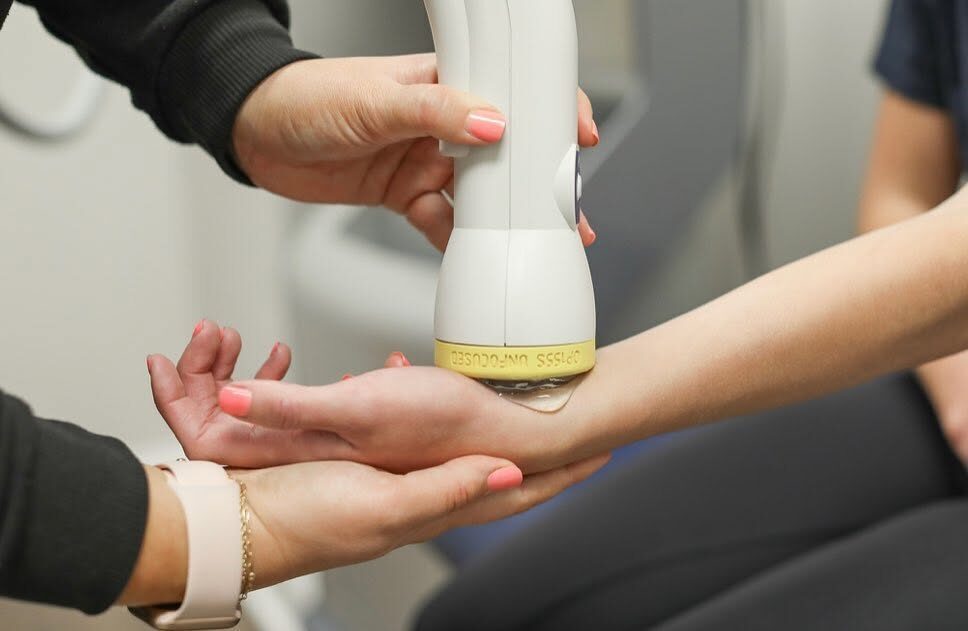
- SoftWave TRT: Delivers broad-focused acoustic waves that penetrate deep tissue layers, engaging the body's own regenerative processes rather than relying on surface-level warmth.
- Therapeutic Ultrasound: Uses high-frequency sound waves delivered through a gel-coated wand, generally used to create mild, localized warmth that helps loosen tight muscles and improve local circulation before stretching or manual therapy.
Why it matters: Ultrasound is soothing and can prepare tissue for hands-on work, but its warming effect is short-lived and mostly surface-level, whereas SoftWave is designed to trigger changes at the cellular level that continue working long after the session ends.
SoftWave vs. TENS (Electrical Stimulation)
- SoftWave TRT: Aims to address the underlying tissue rather than the pain signal itself, with sessions lasting about 10 to 15 minutes and a course of care typically spanning 6 to 8 weeks.
- TENS: Sends a mild electrical current through electrode pads placed on the skin, generally used to interrupt pain signals traveling to the brain and offer temporary relief of minor muscle and joint discomfort, often usable at home.
Why it matters: TENS is a fast, convenient way to take the edge off day-to-day discomfort, but it does not change the underlying tissue, while SoftWave is aimed at supporting the repair process itself, not just quieting the nerve signal for a few hours.
The Common Thread
Laser therapy, therapeutic ultrasound, and TENS share a common thread: each one primarily works at or near the surface, helping the body feel more comfortable while healing continues on its own in the background. That is genuinely useful, and none of these tools should be dismissed. SoftWave takes a different approach. Its broad, deep acoustic waves are believed to stimulate a cascade of biological responses, including activating resident stem cells, supporting new blood vessel formation through growth factors like VEGF and eNOS, encouraging collagen and cell proliferation, modulating inflammation, and helping the body clear out aging cells that no longer function efficiently. In plain terms, the surface-level tools tend to manage symptoms while SoftWave is designed to work with the body's own healing cascade to address tissue at a deeper level. That difference does not make laser, ultrasound, or TENS obsolete. It means they often serve a different purpose, and in many care plans they complement each other rather than compete. A patient might use a TENS unit at home for daily comfort while also undergoing a series of SoftWave sessions aimed at the deeper, longer-term picture, or use ultrasound to relax tissue ahead of manual therapy on the same visit SoftWave is used elsewhere in the body.
One meaningful distinction worth noting when comparing devices is regulatory status and evidence. SoftWave carries four FDA clearances, covering activation of connective tissue, temporary increase in local blood flow, temporary relief of minor muscle and joint pain, and specific clearances for chronic diabetic foot ulcers and acute second-degree burns. It is also backed by roughly two decades of clinical use, more than 240 peer-reviewed studies, and over 40 patents, and it is used by clinicians who work with collegiate and professional athletes. Laser, ultrasound, and TENS are each backed by their own long histories of use and research within the scope of what they are designed to do. The point is not that one modality is universally superior, but that each was built for a different job, and understanding those jobs helps you set realistic expectations for what any single tool can accomplish.
If you have been relying on symptom-focused tools without seeing the progress you hoped for, it may be worth learning whether SoftWave's deeper, regenerative approach is a better fit for your goals. You can schedule a consultation with Cedar Park Chiropractic here to discuss your history and find out if SoftWave TRT makes sense as part of your care plan.
Dr. Swanson and the team can help determine which combination of these tools makes sense for your specific situation, whether that is a nagging shoulder, chronic joint pain, or a slow-healing wound. SoftWave sessions at our Cedar Park office are non-invasive, involve no needles, drugs, or surgery, and there is no downtime, so patients typically return to normal activity right after a session. It is also worth mentioning that SoftWave is not covered by insurance, though HSA and FSA funds can typically be used toward treatment. New patients can start with a $79 introductory visit that includes a comprehensive consultation, an introductory SoftWave session, and a customized care plan, making it an approachable way to see how the therapy feels before committing to a full series.
Ready to Take the Next Step?
Understanding your options is the first step toward choosing the right path for your pain relief and recovery goals. If surface level tools have not given you the lasting results you want, SoftWave may be worth exploring as part of your care.
Request your SoftWave Therapy new patient visit online today
Contact Cedar Park Chiropractic
Cedar Park Chiropractic
345 Cypress Creek Rd, Suite 103
Cedar Park, TX 78613
Phone: 512-335-0641
Our Main Office Website: https://cedarparkchiro.com/
‹ Back


 345 Cypress Creek Rd,