
Blog
Staying Active After 60: SoftWave Therapy for Seniors in Cedar Park
Staying Active After 60: Can SoftWave Therapy Help Cedar Park Seniors Move Better?
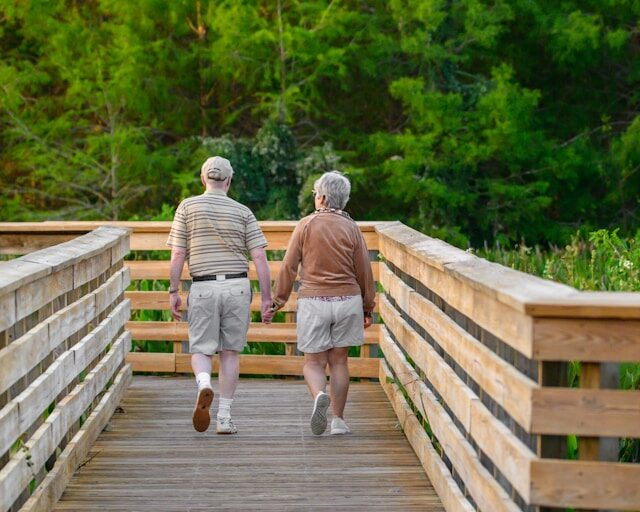
Cedar Park Chiropractic works with active adults throughout Cedar Park who want one thing above all else as they get older: to keep moving on their own terms. Dr. Jeff Swanson and the team see this every week, longtime gardeners who want to keep tending their beds, grandparents who want to get down on the floor to play with grandkids, and retirees who simply want to walk the trail at Brushy Creek Lake Park without their knee or hip slowing them down. For many of these patients, SoftWave TRT has become part of a plan to support mobility and independence without turning first to medication or surgery.
Getting older does not have to mean giving up activity. It does mean paying closer attention to joints, tissue, and healing time. SoftWave Therapy is a non-invasive option that Dr. Swanson offers to help address some of the most common concerns that come with age, and it is worth understanding both what it may help with and what it is not meant to promise.
Common Concerns as We Age
Most people over 60 recognize at least one of these on a personal level.
Osteoarthritis and Joint Stiffness
Cartilage naturally wears down over the decades, and osteoarthritis becomes more common with age. Knees, hips, hands, and the lower back are frequent trouble spots. Stiffness in the morning, aching after activity, and a general sense that the joints just do not move the way they used to are all familiar complaints.
Knee and Hip Pain
Knees and hips carry the body's weight through decades of walking, standing, and everyday movement. It is no surprise these joints often show wear first. Chronic knee or hip pain can quietly shrink a person's world, fewer walks, more hesitation on stairs, less willingness to get up and go.
Slower Healing
Tissue repair simply takes longer as we age. A strain that would have resolved in a week at 30 may linger for a month or more later in life. Reduced circulation, changes in collagen production, and a slower cellular turnover rate all play a part.
Circulation Changes
Blood flow tends to decrease with age, which can leave tissue feeling cold, achy, or slow to recover from minor injury. Good circulation is central to healing, so when it slows down, everything downstream can be affected.
None of this means decline is inevitable or that nothing can be done. It means the approach needs to be realistic, gentle, and suited to where the body is today.
How SoftWave Helps Support Healthy Aging
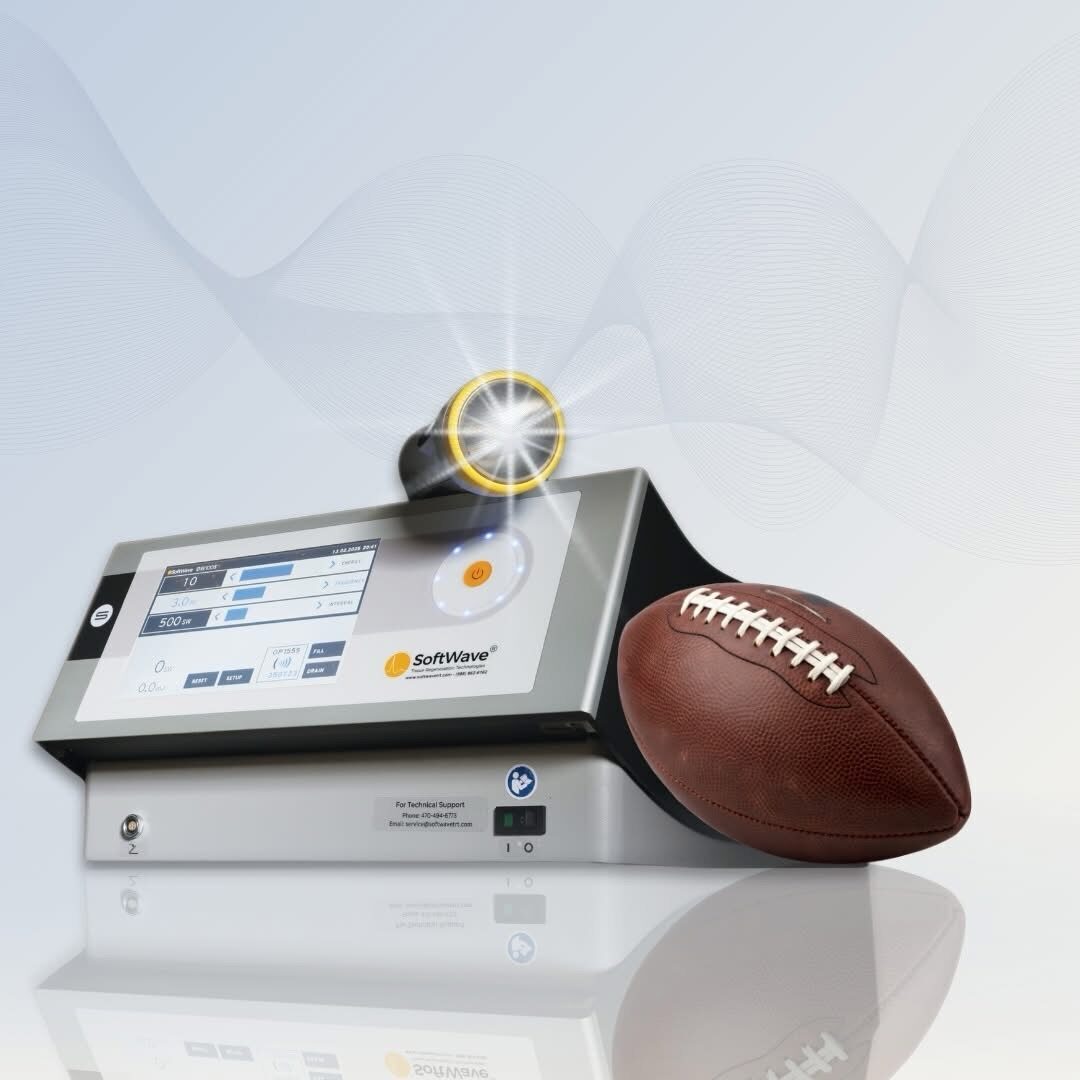
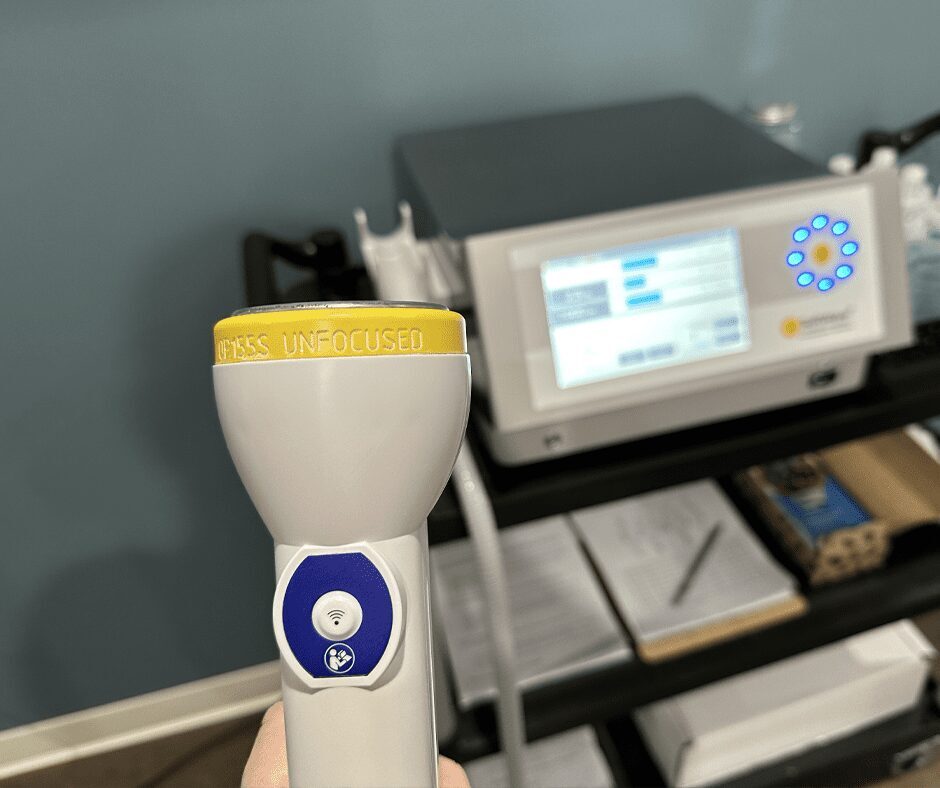
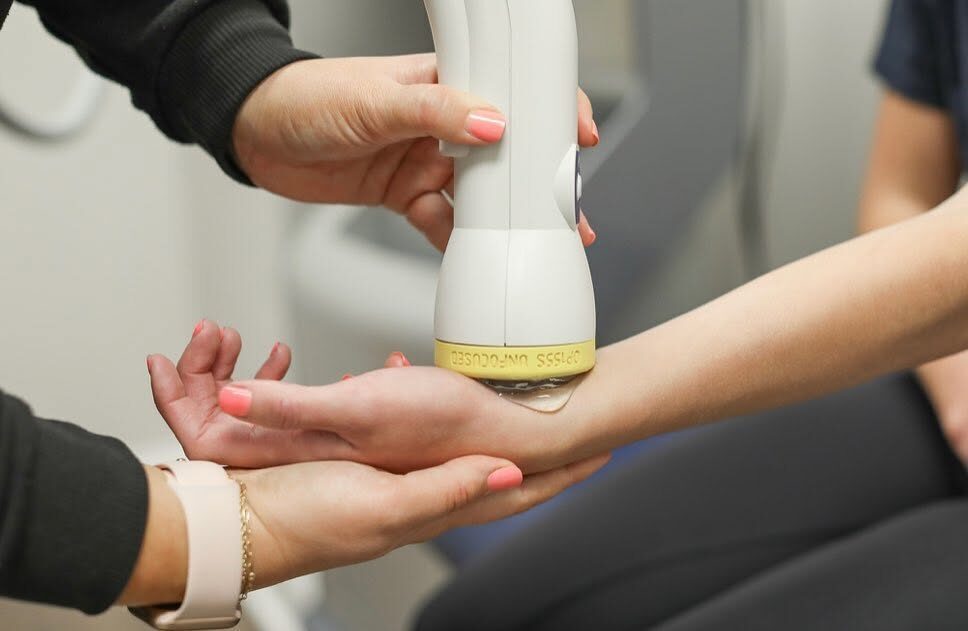
SoftWave TRT is an electrohydraulic, broad-focused acoustic wave technology. Unlike focused shockwave devices that concentrate energy at a single narrow point, SoftWave uses a patented parabolic reflector to send unfocused acoustic waves through a wide and deep treatment area. That broad-focused design is part of why sessions can address a joint or region as a whole rather than one small point at a time.
In plain terms, here is what the acoustic waves are designed to encourage within the treated tissue:
- Resident stem cell activation and migration, encouraging the body's own repair cells to move toward areas that need support
- Angiogenesis, the formation of new blood vessels, through VEGF and eNOS pathways, which supports circulation to tissue that may not be getting enough blood flow
- Cell proliferation and collagen support through PCNA and BMP activity, relevant to connective tissue and joint structures
- Modulation of inflammation and regulation of toll-like receptors, part of the body's healing response
- Clearance of senescent cells, aging cells that no longer function well and can be replaced by healthier tissue
The SoftWave device used at Cedar Park Chiropractic carries FDA clearance for activation of connective tissue, temporary increase in local blood flow, and temporary relief of minor muscle and joint pain. It is also cleared for chronic diabetic foot ulcers and acute second-degree burns, which speaks to how the technology performs on tissue that struggles to heal on its own, a relevant point for anyone whose healing has slowed with age. Many patients report that this combination of effects supports how they feel and move day to day, though results vary and SoftWave is not a guaranteed cure for any condition.
Staying independent after 60 often comes down to protecting the joints and tissue you rely on every day, and exploring options that support healing without unnecessary risk is a reasonable place to start. If joint pain, stiffness, or slow healing has been holding you back from the walks, gardening, or grandkids you want to enjoy, reach out to schedule a visit with Dr. Swanson and find out whether SoftWave TRT fits into your plan for staying active.
What Makes SoftWave a Comfortable Fit for Older Adults
Several practical features of SoftWave TRT make it appealing specifically for seniors who want to stay active without an aggressive intervention.
Non-Invasive, No Downtime
There are no needles, no incisions, and no drugs involved. Patients walk in, receive treatment, and walk out ready to continue their day. For someone weighing the risks of surgery against a slower but non-invasive option, that difference matters.
Short, Manageable Sessions
Individual sessions typically run about 10 to 15 minutes. A full course usually spans roughly 6 to 8 weeks, with healing effects that can continue to build for weeks or months after the last visit. This gradual timeline fits well with a body that heals at its own pace, and it does not demand hours of a patient's week or a lengthy recovery period.
Gentle on the Body
Because SoftWave uses a broad, unfocused wave rather than a sharply concentrated one, many patients describe the sensation as tolerable and describe the overall experience as comfortable, even those who are cautious about new treatments. There is no anesthesia required and no need to plan around a recovery window.
A Technology Backed by Real Evidence
SoftWave carries four FDA clearances and is supported by more than two decades of clinical use, over 240 peer-reviewed studies, and more than 40 patents. It has been studied at leading academic institutions and is used by clinicians who work with professional and collegiate athletes. Some competing focused acoustic wave devices are only FDA-registered rather than cleared, which is a meaningfully different regulatory standard. For patients who want to understand why they are choosing a particular technology, that distinction is worth knowing.
What to Expect and Realistic Outcomes
Every patient's situation is different, and Dr. Swanson evaluates each person individually before recommending SoftWave as part of a care plan. It is not a substitute for medical advice, and it does not promise to reverse arthritis or eliminate pain entirely. What it offers is a non-invasive, low-downtime option designed to support the body's own healing processes, which many older adults find fits well alongside other habits like regular movement, good nutrition, and staying on top of overall health.
SoftWave is not covered by insurance, but HSA and FSA funds can typically be used toward treatment. New patients can start with the New Patient Special, which includes a comprehensive consultation, an introductory SoftWave session, and a customized care plan built around your goals and your body's current needs.
Ready to Take the Next Step?
If staying active, independent, and out of the operating room matters to you, a conversation with Dr. Swanson is a low-pressure place to start. No pressure, just answers about whether SoftWave fits your goals.
Request your SoftWave Therapy new patient visit online today
Contact Cedar Park Chiropractic
Cedar Park Chiropractic
345 Cypress Creek Rd, Suite 103
Cedar Park, TX 78613
Phone: 512-335-0641
Our Main Office Website: https://cedarparkchiro.com/
‹ Back

 345 Cypress Creek Rd,