
Blog
How Much Does SoftWave Therapy Cost in Cedar Park, and How HSA and FSA Can Help

How Much Does SoftWave Therapy Cost in Cedar Park, and How Can HSA or FSA Help?
If you have been researching regenerative treatment options for a nagging joint or muscle issue, you have probably run into the same question over and over: what does it actually cost? At Cedar Park Chiropractic, Dr. Jeff Swanson and the team hear this question often, and it is a fair one. Nobody wants to commit to a plan without understanding the investment involved. This article walks through how SoftWave Tissue Regeneration Technology (TRT) is typically priced, why it is not billed through insurance, and how many Cedar Park families use HSA or FSA dollars to make it easier to budget for care.
Why SoftWave Pricing Works Differently Than a Typical Office Visit
SoftWave TRT is generally offered as a per-session service, and most patients are guided toward a treatment plan or package rather than a single stand-alone appointment. That is because SoftWave is designed to work with the body's own healing processes over time, not as a one-and-done fix. A typical course of care runs as a series of sessions over roughly six to eight weeks, with healing and improvement often continuing for weeks or months after the last visit. Because of that timeline, pricing is usually structured around a plan of care rather than a flat per-visit fee, similar to how a personal training package or a series of physical therapy sessions might be priced.
The exact investment depends on several factors that are specific to you, including which area of the body is being treated, how many sessions your provider recommends, and whether SoftWave is being used alongside other chiropractic or rehabilitative care. Rather than publishing a generic price list, Dr. Swanson prefers to evaluate each patient individually so the plan actually fits the condition, instead of applying a one-size-fits-all number to every case.
Why Insurance Typically Does Not Cover SoftWave
SoftWave TRT is not covered by insurance. This surprises some patients at first, but it is common across many advanced, non-invasive regenerative therapies. Insurance coverage is generally tied to specific billing codes and medical necessity criteria that were built around older, more established treatment categories. Newer technologies like broad-focused acoustic wave therapy often fall outside those existing frameworks, even when the clinical rationale behind them is well documented.
The upside is that paying directly for SoftWave means there is no need to wait on prior authorizations, no denied claims to appeal, and no limits imposed by a plan that was never designed with this kind of therapy in mind. You and Dr. Swanson decide together what makes sense for your goals, without an insurance adjuster in the middle of that conversation.
How HSA and FSA Funds Can Help
Here is the good news for many patients: even though traditional insurance does not pay for SoftWave, funds from a Health Savings Account (HSA) or Flexible Spending Account (FSA) can typically be applied toward it. These accounts are generally intended for qualified medical expenses, and chiropractic and regenerative treatments like SoftWave TRT commonly qualify. That means the dollars you have already set aside, often pre-tax, can go directly toward your care plan instead of sitting unused.
A few practical notes worth knowing:
- HSA and FSA rules can vary by plan administrator, so it is worth confirming eligibility details with your specific account provider before your visit.
- Many patients find it helpful to request an itemized receipt or statement from Cedar Park Chiropractic for their HSA or FSA records.
- Using these funds does not change the quality or structure of your SoftWave care plan, it simply changes how the plan is paid for.
Because FSA funds often have a use-it-or-lose-it deadline tied to the calendar year, some Cedar Park patients specifically time their SoftWave plan to make use of remaining balances before they expire.
How SoftWave Helps the Body Heal
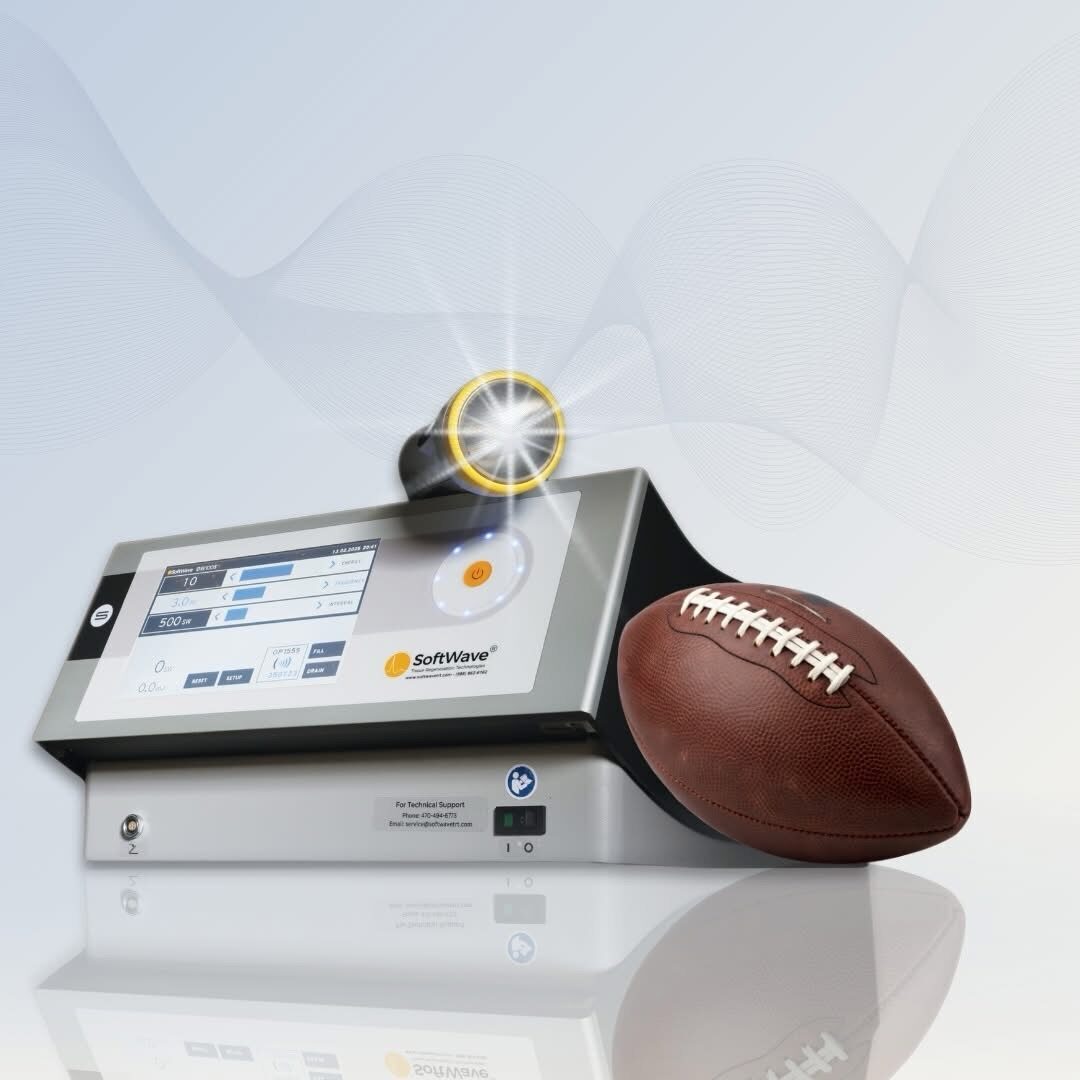
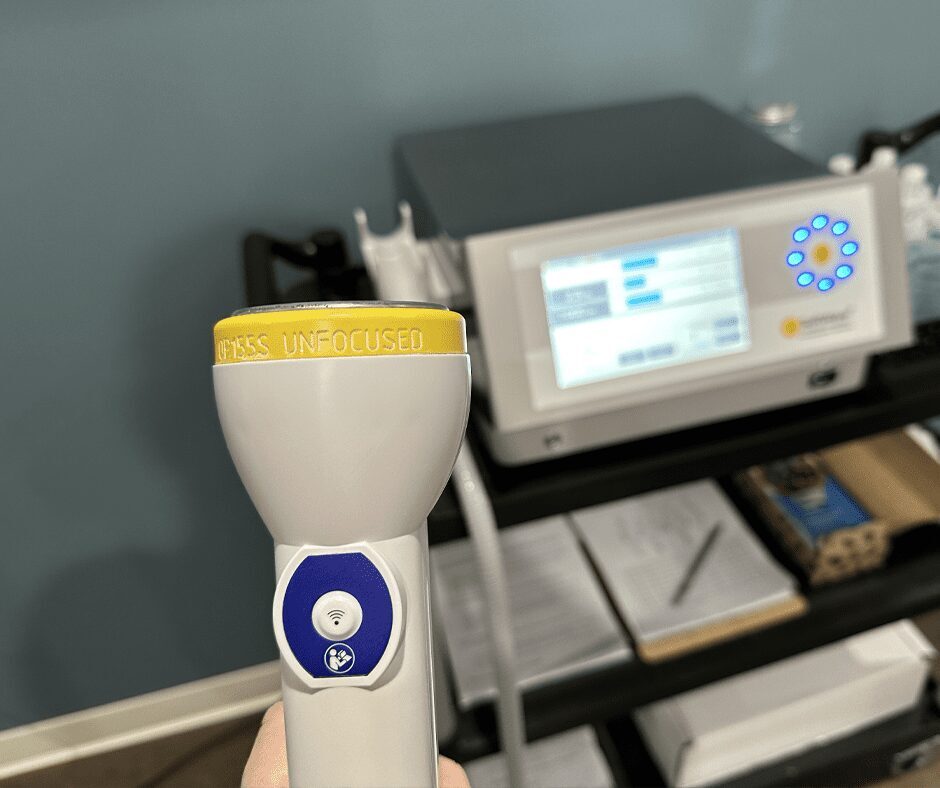
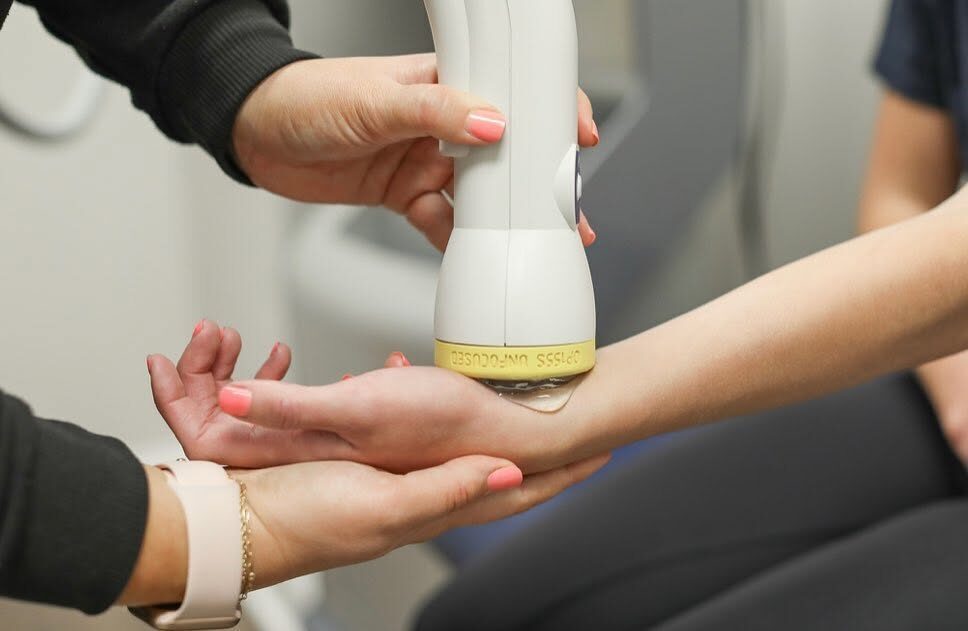
Understanding the science behind SoftWave can make the value of the investment easier to see. Unlike focused or radial shockwave devices, SoftWave uses electrohydraulic, spark-generated technology paired with a patented parabolic reflector to produce a broad-focused, unfocused acoustic wave. That wave penetrates a wide and deep treatment area at once, rather than concentrating energy at a single narrow point.
In plain language, here is what that wave is designed to do inside the body:
- Activate and help mobilize the body's own resident stem cells toward the area of concern.
- Support angiogenesis, meaning the formation of new blood vessels, through growth factors like VEGF and eNOS.
- Encourage cell proliferation and collagen production through mechanisms involving PCNA and BMP.
- Help modulate inflammation and regulate toll-like receptor activity.
- Support the clearance of old, senescent cells that may be slowing the body's natural repair process.
Sessions themselves are non-invasive, with no needles, no drugs, and no surgery, and each visit typically takes about 10 to 15 minutes. There is no downtime afterward, so most patients head straight back to their day.
Why the Investment Often Makes Sense for Cedar Park Patients
When patients weigh cost, it helps to compare SoftWave against the broader landscape of regenerative options. SoftWave carries four FDA clearances, covering activation of connective tissue, temporary increase in blood flow, temporary relief of minor muscle and joint pain, and treatment of chronic diabetic foot ulcers and acute second-degree burns. Many competing focused acoustic wave devices on the market, including StemWave, are FDA-registered only and do not carry these same clearances. SoftWave is also backed by roughly two decades of clinical use, more than 240 peer-reviewed studies, and over 40 patents, and it is used by clinicians who work with professional and collegiate athletes. That depth of research and regulatory standing is part of why many patients feel confident choosing SoftWave when comparing their options.
Every case is different, and Dr. Swanson will walk through exactly how your plan is structured, what results may reasonably be expected, and how your HSA or FSA can be applied, before you ever commit to care.
If cost has been the thing holding you back from exploring SoftWave, now is a good time to get real answers instead of guessing. Reach out to Cedar Park Chiropractic today to ask about your personalized plan and how your HSA or FSA benefits may apply.
Start With the New Patient Special
For Cedar Park residents who are still deciding whether SoftWave is right for them, the practice offers a $79 New Patient Special. That visit includes a comprehensive consultation, an introductory SoftWave session, and a customized care plan built around your specific condition and goals. It is a low-risk way to experience the technology firsthand, get real answers about pricing and timelines, and find out whether your HSA or FSA can be used, all before committing to a full plan of care.
The best next step is simply a conversation. Discovery Day at Cedar Park Chiropractic is designed exactly for this: a chance to sit down with Dr. Swanson, discuss your history and goals, and leave with a clear, personalized plan and a straightforward understanding of the cost involved.
Ready to Take the Next Step?
Understanding your options should never feel confusing, and the team at Cedar Park Chiropractic is ready to walk you through pricing, packages, and how your HSA or FSA can help make SoftWave more affordable.
Request your SoftWave Therapy new patient visit online today
Contact Cedar Park Chiropractic
Cedar Park Chiropractic
345 Cypress Creek Rd, Suite 103
Cedar Park, TX 78613
Phone: 512-335-0641
Our Main Office Website: https://cedarparkchiro.com/
‹ Back


 345 Cypress Creek Rd,