
Blog
Drug-Free Inflammation Relief: How SoftWave Calms Pain Without Medication or Downtime

Tired of Reaching for the Pill Bottle Every Day, Cedar Park?
If you find yourself starting each morning with an ibuprofen or reaching for pain medication just to get through work, yard work, or a workout, you are not alone. Many people in Cedar Park deal with ongoing joint pain, muscle soreness, or inflammation that never fully goes away, and over the counter or prescription medication becomes a daily habit rather than an occasional fix. It is worth asking a simple question: is there a way to address the inflammation itself, rather than just numbing the discomfort it causes?
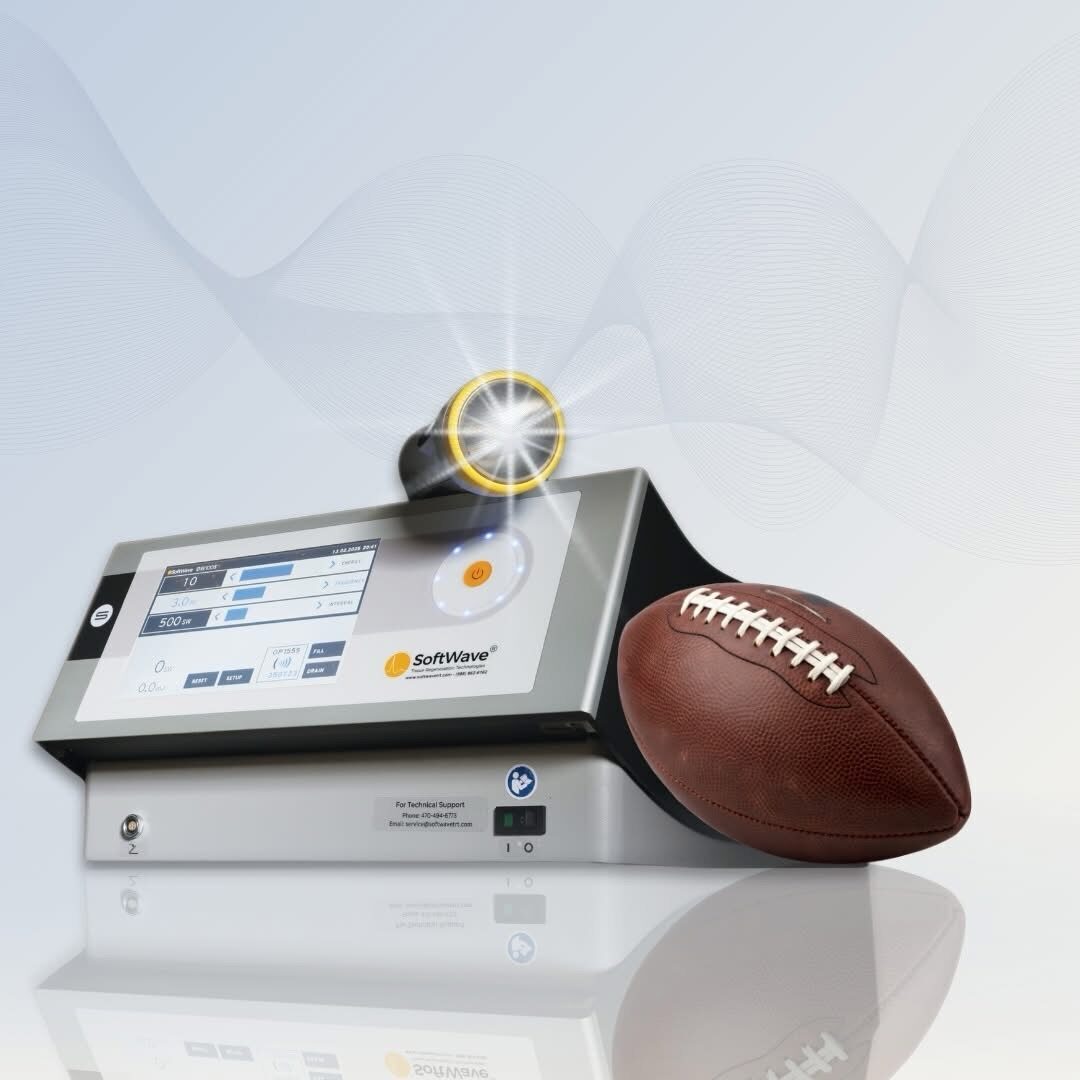
Cedar Park Chiropractic, led by Dr. Jeff Swanson, offers a non-invasive option called SoftWave TRT that is designed to work with the body's own healing processes rather than masking symptoms. For patients looking for a drug-free path toward managing pain and inflammation, SoftWave therapy is worth understanding, both how it works and how it compares to long-term medication use.
The Trade-Offs of Long-Term Pain Medication Use
Medications like NSAIDs (nonsteroidal anti-inflammatory drugs) and other pain relievers serve an important purpose, and this article is not suggesting anyone stop taking a medication prescribed by their doctor. These medications can be genuinely helpful for acute pain, flare-ups, or short-term recovery. The concern many healthcare providers raise is not about occasional use, it is about relying on them as a long-term, daily strategy for chronic pain or ongoing inflammation.
Some of the well-documented trade-offs of extended NSAID or pain medication use include:
- They treat the symptom, not the source. Pain medication can quiet the discomfort signal, but it does not repair damaged tissue, improve blood flow to an injured area, or resolve the underlying inflammatory process.
- Digestive discomfort. Many people who take NSAIDs regularly report stomach upset, acid reflux, or other digestive issues over time.
- Dependence on a daily routine. When pain returns as soon as a dose wears off, it can create a cycle where medication becomes a permanent fixture rather than a temporary bridge.
- Masking a problem that keeps getting worse. Because the underlying tissue is never addressed, some people continue with activities that further stress an already inflamed joint or muscle, simply because the pain signal has been dulled.
None of this means medication is wrong to use. It means many people are looking for an additional option, something that can work alongside medical guidance to support healing at the source. That is where SoftWave TRT comes in.
How SoftWave Helps Address Inflammation at the Source
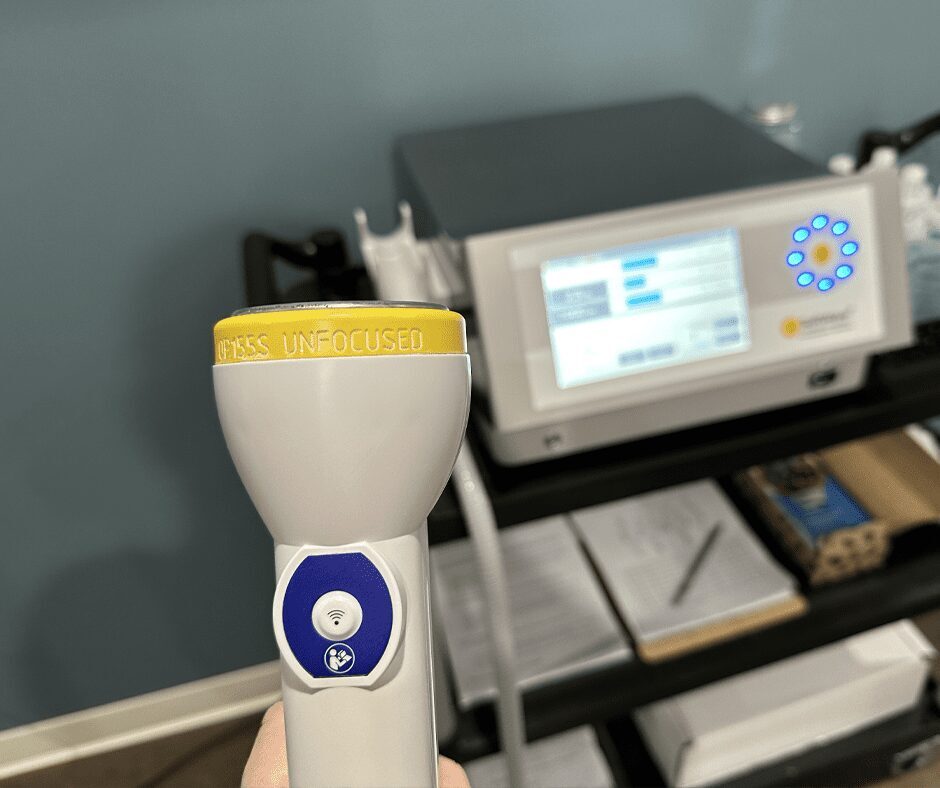
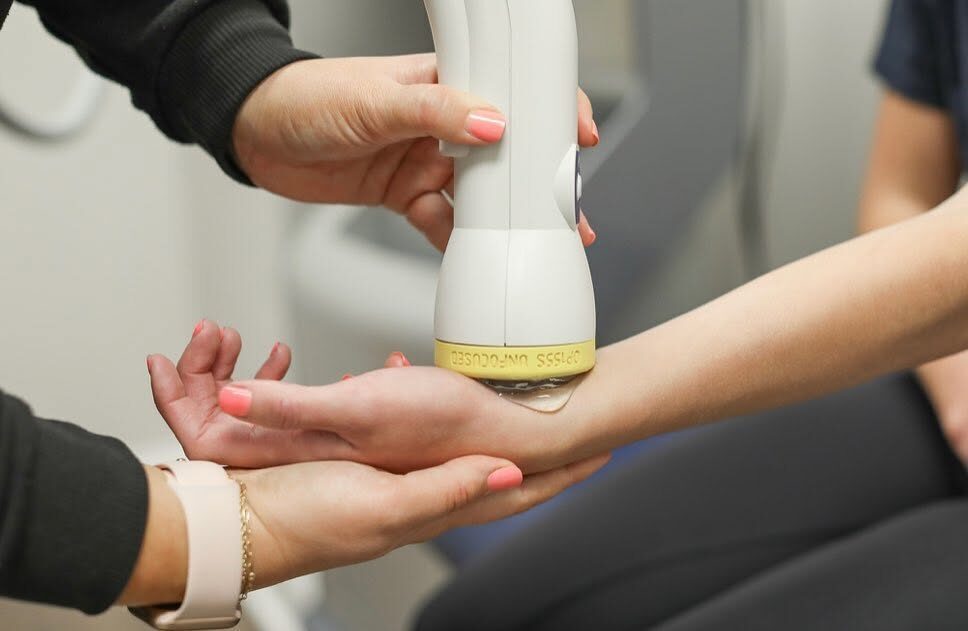
SoftWave TRT (Tissue Regeneration Technology) uses electrohydraulic, spark-generated acoustic waves that are broad-focused, meaning the energy is unfocused and spreads across a wide, deep treatment area through a patented parabolic reflector. This design sets SoftWave apart from radial, electromagnetic, or piezoelectric focused shockwave devices, which concentrate energy at a single narrow point. Because SoftWave's wave pattern covers more tissue at once, sessions are efficient, generally lasting about 10 to 20 minutes.
Rather than blocking pain signals, SoftWave is designed to stimulate the body's own healing cascade in the tissue being treated. In plain language, here is what that process involves:
- Activating resident stem cells and encouraging them to migrate to areas that need repair.
- Supporting angiogenesis, the formation of new blood vessels, through VEGF and eNOS pathways, which can improve circulation to the treated area.
- Promoting cell proliferation and collagen production through PCNA and BMP activity, which supports tissue and connective tissue repair.
- Modulating inflammation rather than simply suppressing it, including regulation of toll-like receptors involved in the inflammatory response.
- Clearing senescent cells, the aging cells that can linger in damaged tissue and slow the healing process.
The goal of this process is to help the body address inflammation and tissue damage directly, rather than relying on a medication to quiet the pain signal while the underlying issue continues unaddressed.
What to Expect During SoftWave Treatment
One of the reasons SoftWave appeals to people who are wary of medication or surgery is how straightforward the experience is. Sessions are non-invasive, there are no needles, no drugs administered, and no surgical incisions involved. Most appointments take roughly 10 to 15 minutes, and there is no downtime afterward, so patients can typically return to normal activities the same day.
Because SoftWave is designed to support a biological healing process rather than deliver instant numbing relief, a full course of care typically involves a series of sessions over about 6 to 8 weeks. Many patients report that healing continues to build for weeks or even months after the final session, as the tissue repair process that was triggered during treatment continues to unfold.
If daily pain medication has become part of your routine and you are ready to explore a different approach, schedule a visit with Cedar Park Chiropractic to discuss whether SoftWave TRT could support your goals.
It is also worth noting that the FDA clearances for SoftWave technology include activation of connective tissue, temporary increase of local blood flow, temporary relief of minor muscle and joint pain, treatment of chronic diabetic foot ulcers, and treatment of acute second-degree burns. SoftWave currently holds four FDA clearances, more than many focused acoustic wave competitors, some of which are FDA-registered only, without clearances of their own. SoftWave is also backed by two decades of clinical use, a substantial body of peer-reviewed research with more than 240 studies, and more than 40 patents, and it is used by clinicians who work with professional and collegiate athletes.
A Drug-Free Option That Works Alongside Your Doctor's Guidance
It is important to be clear: SoftWave therapy is not a replacement for medical advice, and no one should stop or change a prescribed medication without talking to their doctor first. What SoftWave offers is an additional, non-invasive option that many patients choose to explore alongside their existing care, particularly when they are looking to reduce how often they reach for pain relievers day to day. If you currently rely on medication for ongoing inflammation, it is worth discussing SoftWave with your physician and with Dr. Swanson to see whether it fits into your broader care plan.
For many Cedar Park residents, the appeal is simple: a treatment designed to work with the body rather than around it, with no needles, no surgery, and no recovery time keeping them off the golf course, out of the gym, or away from their kids and grandkids.
Is SoftWave Right for You?
SoftWave may be worth considering if you are dealing with chronic muscle or joint discomfort, you have grown concerned about how often you use NSAIDs or other pain medication, or you simply want to explore a non-invasive option before considering more involved treatments. Dr. Swanson and the team at Cedar Park Chiropractic can evaluate your specific situation and help you understand whether SoftWave fits your needs. SoftWave is not covered by insurance, but HSA and FSA funds can typically be used toward treatment, and new patients can start with a $79 New Patient Special, which includes a comprehensive consultation, an introductory SoftWave session, and a customized care plan.
Ready to Take the Next Step?
You do not have to choose between living with pain and relying on medication indefinitely. Talk with your doctor and the team at Cedar Park Chiropractic about whether SoftWave TRT can become part of a more complete, drug-free approach to managing inflammation.
Request your SoftWave Therapy new patient visit online today
Contact Cedar Park Chiropractic
Cedar Park Chiropractic
345 Cypress Creek Rd, Suite 103
Cedar Park, TX 78613
Phone: 512-335-0641
Our Main Office Website: https://cedarparkchiro.com/
‹ Back


 345 Cypress Creek Rd,