
Blog
Better Together: Combining SoftWave Therapy with Chiropractic Care at Cedar Park Chiropractic
Should You Choose SoftWave, Chiropractic Care, or Both in Cedar Park?
If you are dealing with a stubborn ache, a lingering joint issue, or an old injury that never quite healed right, you may be wondering whether SoftWave therapy or chiropractic adjustments are the better fit. For many people in Cedar Park, the answer is not either or, it is both, used together with a clear plan.
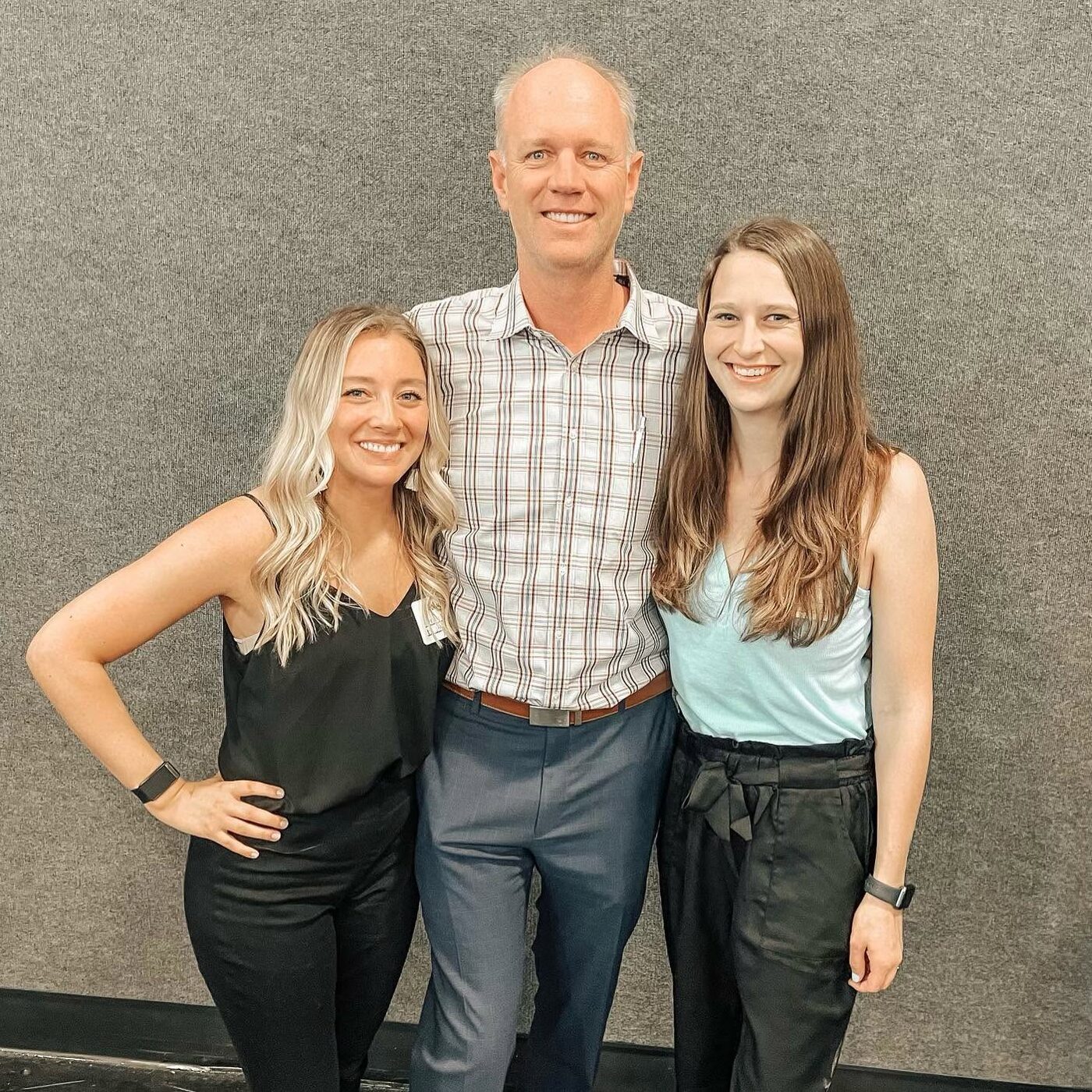
Cedar Park Chiropractic has served the Cedar Park community for years, and Dr. Jeff Swanson now offers SoftWave TRT alongside traditional chiropractic care. These two approaches are not competing options. They address different pieces of the same puzzle, and when combined thoughtfully, they can support a more complete path toward feeling and moving better.
Two Different Jobs, One Shared Goal
Chiropractic care and SoftWave therapy are built for different purposes, and understanding that difference is the key to understanding why they work well together.
What Chiropractic Care Focuses On
Chiropractic adjustments are designed to address spinal and joint alignment, restore proper motion to restricted joints, and support healthy nervous system function. When a joint is not moving the way it should, it can affect nearby muscles, nerves, and even how the rest of the body compensates. Regular adjustments aim to keep the structure of the body working the way it was designed to.
What SoftWave Therapy Focuses On
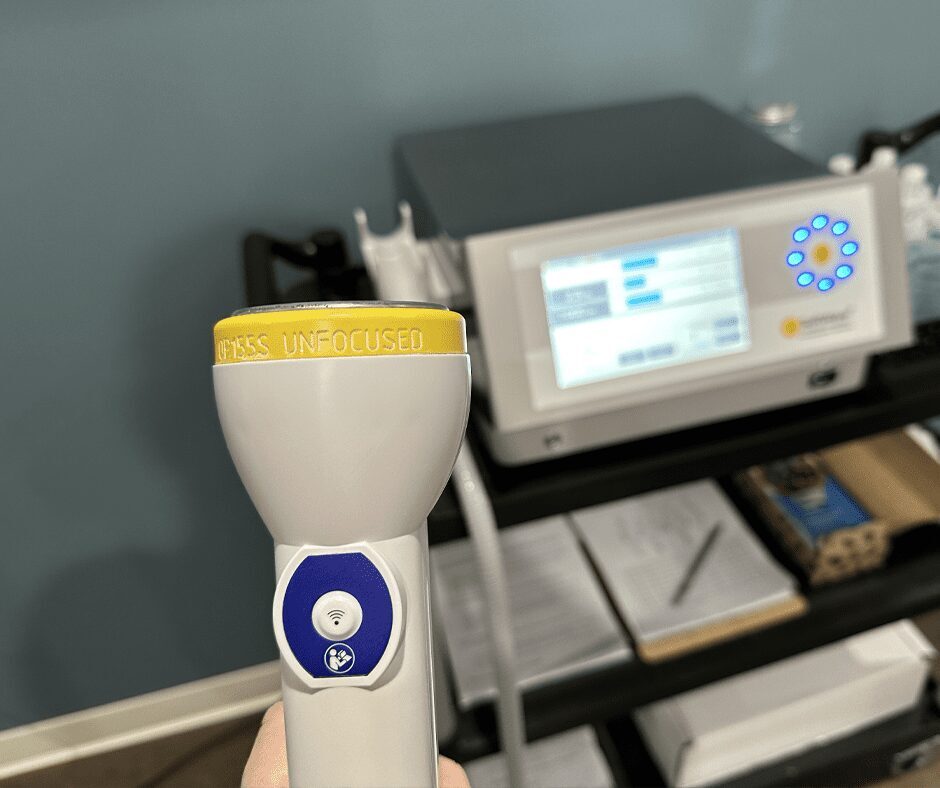
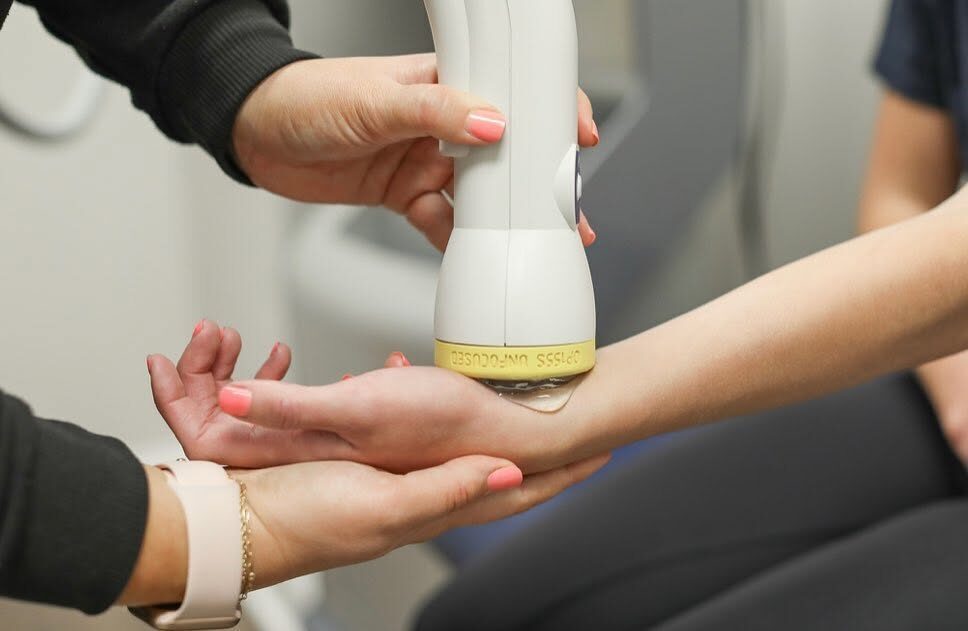
SoftWave TRT works at a different level. Instead of addressing alignment, it is designed to stimulate the body's own healing response inside damaged or irritated tissue, such as tendons, ligaments, muscles, and areas of chronic wear. It uses electrohydraulic, broad-focused acoustic waves delivered through a patented parabolic reflector, which is different from the narrow, focused wave technology used by many other devices. Because the wave is unfocused, it can reach a wider and deeper area of tissue in a single pass.
Put simply: chiropractic care often addresses how the body is positioned and moving, while SoftWave addresses the condition of the tissue itself. A joint can be perfectly aligned and still have an underlying area of tissue irritation that has not fully resolved. Likewise, tissue can be responding well to healing support but continue to be stressed by an alignment issue nearby. Treating both angles at once is often where patients notice the most benefit.
How SoftWave Helps Support the Body's Healing Process
SoftWave therapy is not a drug, and it is not surgery. It is a non-invasive option that uses sound wave energy to encourage the body to do what it already knows how to do: heal. Sessions typically run about 10 to 15 minutes, and most treatment plans involve a series of visits over roughly 6 to 8 weeks, with continued improvement often reported for weeks or months after the last session.
In plain language, here is what the science behind SoftWave is designed to do:
- Activate resident stem cells in the treated area and encourage them to migrate where they are needed for repair.
- Support angiogenesis, meaning the formation of new blood vessels, through growth factors like VEGF and eNOS, which helps bring oxygen and nutrients to the area.
- Encourage cell proliferation and collagen production through PCNA and BMP activity, both of which play a role in tissue repair.
- Help modulate inflammation and regulate toll-like receptors, which are part of the body's immune and repair signaling.
- Support clearance of senescent cells, or older cells that are no longer functioning efficiently, making room for healthier tissue.
SoftWave carries FDA clearance for activation of connective tissue, temporary increase in local blood flow, and temporary relief of minor muscle and joint pain, as well as clearances for treating chronic diabetic foot ulcers and acute second-degree burns. These are the specific, documented uses of the technology, and no chiropractor or provider should promise results beyond what the evidence supports. Many patients report meaningful improvement, but SoftWave is not a guaranteed cure and is not a replacement for medical care when medical care is needed.
Why Combining the Two Can Make Sense
Think of chiropractic adjustments as maintaining the framework of the body, and SoftWave as supporting the quality of the tissue attached to that framework. For a patient dealing with something like chronic shoulder discomfort, plantar fasciitis, or a nagging low back issue that never fully resolved, addressing only the alignment or only the tissue may leave part of the picture unaddressed.
When both are part of a plan, the goal is a more complete approach: adjustments to help the joints move properly, and SoftWave sessions to support the underlying tissue that has been irritated or slow to heal. For active Cedar Park residents, from weekend athletes at local parks to people simply trying to keep up with daily life, this combined approach is often appealing because both therapies are non-invasive, drug-free, and do not require downtime.
SoftWave Alone Is Also a Valid Choice
Not every patient needs or wants ongoing chiropractic adjustments, and that is completely fine. Some people come to Cedar Park Chiropractic specifically for SoftWave therapy on its own, whether they are managing a single problem area, recovering from an old injury, or simply interested in a non-invasive option for muscle and joint discomfort. SoftWave can stand entirely on its own as a treatment, and Dr. Swanson will never push a patient toward chiropractic adjustments they do not need or want. The plan should always match the patient, not the other way around.
How Dr. Jeff Swanson Builds a Plan Around You
There is no one size fits all approach at Cedar Park Chiropractic. Dr. Swanson starts with a comprehensive consultation to understand your history, your goals, and what has or has not worked for you in the past. From there, he builds a plan that may include SoftWave alone, chiropractic care alone, or a combination of both, depending on what makes sense for your specific situation.
This is also a good point to consider taking the next step and scheduling a visit, since the only way to know which approach fits your situation is a proper evaluation. You can request an appointment with Cedar Park Chiropractic to get that conversation started.
For new patients curious about SoftWave, Cedar Park Chiropractic offers a New Patient Special for $79, which includes a comprehensive consultation, an introductory SoftWave session, and a customized care plan. SoftWave is not covered by insurance, but HSA and FSA funds can typically be used toward treatment, which makes it a more accessible option for many households in the area.
The Bigger Picture: Working With Your Body, Not Against It
Whether you choose SoftWave, chiropractic care, or both, the underlying philosophy is the same: support the body's own capacity to heal, rather than masking symptoms. SoftWave has been supported by roughly two decades of clinical use, a substantial body of peer-reviewed research, and extensive patents, and it is used by clinicians who also work with collegiate and professional athletes. That depth of use is one reason Dr. Swanson feels confident offering it as part of care at Cedar Park Chiropractic.
If you have been going back and forth on which option is right for you, the simplest next step is a conversation. Dr. Swanson can walk you through what your body actually needs, whether that is adjustments, SoftWave, or a combination built around your goals.
Ready to Take the Next Step?
If you are curious whether SoftWave therapy, chiropractic care, or a combination of both fits your goals, the best way to find out is a consultation with Dr. Swanson. There is no need to guess when a clear plan is one visit away.
Request your SoftWave Therapy new patient visit online today
Contact Cedar Park Chiropractic
Cedar Park Chiropractic
345 Cypress Creek Rd, Suite 103
Cedar Park, TX 78613
Phone: 512-335-0641
Our Main Office Website: https://cedarparkchiro.com/
‹ Back




 345 Cypress Creek Rd,